برآورد آمادگی سازمانها برای تحول دیجیتال با استفاده از دادههای مالی افشاشده: طراحی شاخص جانشین و تحلیل دادههای تابلویی
کلمات کلیدی:
تحول دیجیتال، آمادگی تحول دیجیتال، شاخص جانشین، دادههای تابلویی، یادگیری ماشینچکیده
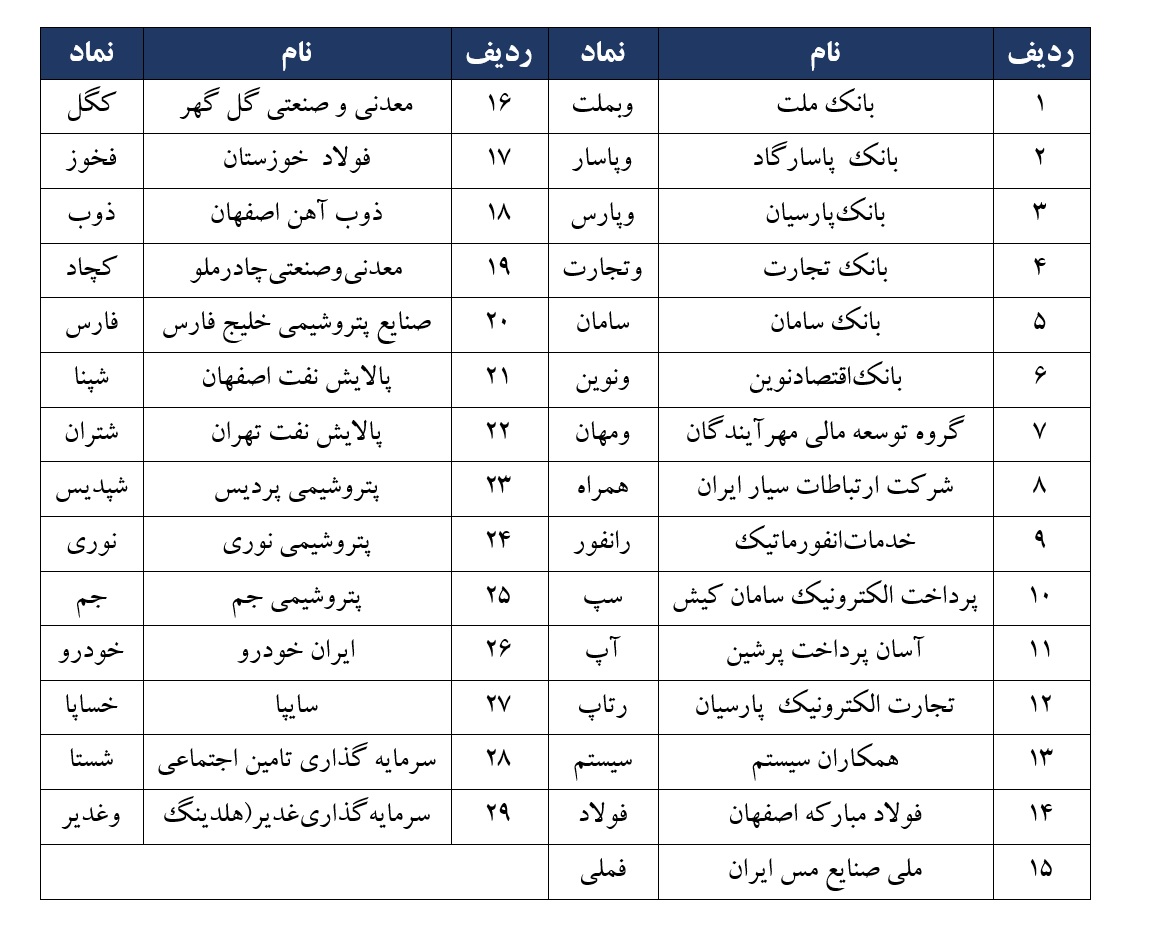
هدف این پژوهش طراحی و اعتبارسنجی یک شاخص جانشین مبتنی بر دادههای مالی افشاشده برای برآورد آمادگی سازمانها در مسیر تحول دیجیتال و بررسی قدرت تبیین متغیرهای مالی در پیشبینی این آمادگی بود. این پژوهش از نوع کاربردی و مبتنی بر تحلیل دادههای تابلویی بود. جامعه پژوهش شامل شرکتهای پذیرفتهشده در بورس و فرابورس ایران بود که اطلاعات مالی حسابرسیشده آنها طی سالهای 1399 تا 1403 در دسترس قرار داشت. در نهایت، 29 شرکت (145 مشاهده شرکت–سال) وارد تحلیل شدند. شاخص آمادگی تحول دیجیتال (DTI) بر اساس ترکیبی استانداردشده از بازده داراییها، بازده حقوق صاحبان سهام، رشد درآمد، اندازه شرکت و ساختار سرمایه طراحی شد. برای آزمون فرضیهها از مدلهای رگرسیون دادههای تابلویی و برای مقایسه توان پیشبینی از الگوریتمهای یادگیری ماشین شامل رگرسیون خطی، جنگل تصادفی، تقویت گرادیانی و رگرسیون بردار پشتیبان استفاده شد. نتایج نشان داد مدل اثرات ثابت بهترین برازش را برای دادهها دارد و حدود 64 درصد از تغییرات شاخص آمادگی تحول دیجیتال را تبیین میکند. بازده داراییها، بازده حقوق صاحبان سهام، رشد درآمد و اندازه شرکت دارای اثر مثبت و معنادار بر آمادگی تحول دیجیتال بودند، در حالی که اهرم مالی اثر منفی و معناداری نشان داد. همچنین میانگین شاخص DTI از 0.47 در سال 1399 به 0.58 در سال 1403 افزایش یافت. در بخش یادگیری ماشین، رگرسیون خطی بالاترین دقت را در بازتولید شاخص نشان داد (R²=1.00) و در میان مدلهای غیرخطی، الگوریتم Gradient Boosting با ضریب تعیین حدود 0.86 عملکرد برتری داشت. یافتهها نشان میدهد دادههای مالی افشاشده میتوانند بهعنوان سیگنالهای معتبر برای برآورد آمادگی سازمانها در مسیر تحول دیجیتال مورد استفاده قرار گیرند. سودآوری، رشد و اندازه شرکت ظرفیت تحول دیجیتال را تقویت میکنند، در حالی که فشار بدهی میتواند مانع این فرایند شود. بنابراین، شاخص پیشنهادی میتواند ابزاری عینی و دادهمحور برای ارزیابی اولیه آمادگی دیجیتال سازمانها باشد.
دانلودها
مراجع
Barr, D. (2026). The AI Transformation Gap Index (AITG): An Empirical Framework for Measuring AI Transformation Opportunity, Disruption Risk, and Value Creation at the Industry and Firm Level. https://doi.org/10.48550/arxiv.2603.13278
Binsaeed, R. H., Yousaf, Z., Grigorescu, A., Radu, V., & Nassani, A. A. (2023). Digital Revolution and Digitization Process to Promote AIS as a Vector of Financial Performance. Systems, 11(7), 339. https://doi.org/10.3390/systems11070339
Certo, S. T., Jeon, C., Raney, K., & Lee, W. (2022). Measuring What Matters: Assessing How Executives Reference Firm Performance in Corporate Filings. Organizational Research Methods, 27(1), 140-166. https://doi.org/10.1177/10944281221125160
Chen, Y., & Zhang, Y. (2024). The Impact of Digital Transformation on Firm's Financial Performance: Evidence From China. Industrial Management & Data Systems, 124(5), 2021-2041. https://doi.org/10.1108/imds-07-2023-0507
Curi, C., Lozano‐Vivas, A., & Murgia, M. (2025). Bank Technology M&As and Market Valuation: Lessons From the COVID‐19 Shock. European Financial Management, 32(1), 76-112. https://doi.org/10.1111/eufm.70002
Esamah, A., Aujirapongpan, S., Rakangthong, N. K., & Imjai, N. (2023). Agile Leadership and Digital Transformation in Savings Cooperative Limited: Impact on Sustainable Performance Amidst COVID-19. Journal of Human Earth and Future, 4(1), 36-53. https://doi.org/10.28991/hef-2023-04-01-04
Huynh, J. (2025). Digital Transformation and Bank Liquidity Creation: Evidence From a Bank-Based Market. Sage Open, 15(4). https://doi.org/10.1177/21582440251390670
Khazaei, H., Faghihi, M., & Manesh, V. S. (2022). How Performance of Top Companies Are Related on IMD Digital Competitiveness Indicators? Issues in Social Science, 10(1), 29. https://doi.org/10.5296/iss.v10i1.20031
Le, T., Ngo, T., Nguyen, D. T., & T.M, T. (2024). Fintech and Banking: Friends Or foes? Evidence From Bank–fintech Cooperation. International Journal of Bank Marketing, 42(7), 1513-1535. https://doi.org/10.1108/ijbm-09-2023-0525
Leeraphong, A., Chuairuang, S., & Sukrat, S. (2025). Advancing Sustainability Through Digital Transformation: Empirical Evidence From Southeast Asian Listed Companies. Business Strategy & Development, 8(4). https://doi.org/10.1002/bsd2.70223
Li, C., Zhang, Y., & Yu, H. (2024). Digitalization and the “Too Big to Fail” Dilemma: Mechanisms and Asymmetric Effects of Banks’ Fintech Innovation on Total Factor Productivity. Technological and Economic Development of Economy, 30(2), 464-488. https://doi.org/10.3846/tede.2024.21299
Li, P. (2024). The Impact of Digital Transformation on Total Factor Productivity. Journal of Applied Economics and Policy Studies, 13(1), 55-68. https://doi.org/10.54254/2977-5701/13/2024127
Liu, J., Zhou, K., Zhang, Y., & Tang, F. (2023). The Effect of Financial Digital Transformation on Financial Performance: The Intermediary Effect of Information Symmetry and Operating Costs. Sustainability, 15(6), 5059. https://doi.org/10.3390/su15065059
Mahyarni, M., & Okfalisa, O. (2024). SMEs Digitalization Readiness: Sharia Fintech Framework Using Quadruple Helix Perceives. Serbian Journal of Management, 19(1), 71-97. https://doi.org/10.5937/sjm19-44971
Nasiri, M., Saunila, M., & Ukko, J. (2022). Digital Orientation, Digital Maturity, and Digital Intensity: Determinants of Financial Success in Digital Transformation Settings. International Journal of Operations & Production Management, 42(13), 274-298. https://doi.org/10.1108/ijopm-09-2021-0616
Nguyen, Q. T. T., Ho, L., & Nguyen, D. T. (2023). Digitalization and Bank Profitability: Evidence From An emerging Country. International Journal of Bank Marketing, 41(7), 1847-1871. https://doi.org/10.1108/ijbm-03-2023-0156
Nikhil, M. N., Shenoy, S. S., Chakraborty, S., & Abhilash, A. (2024). Unraveling the Determinants and Consequences of Mandatory IFRS Convergence in India: Insights From Systematic Literature Review. SSRN Electronic Journal. https://doi.org/10.2139/ssrn.4979863
Okfalisa, O., Anggraini, W., Nawanir, G., Saktioto, S., & Wong, K. Y. (2021). Measuring the Effects of Different Factors Influencing on the Readiness of SMEs Towards Digitalization: A Multiple Perspectives Design of Decision Support System. Decision Science Letters, 10(3), 425-442. https://doi.org/10.5267/j.dsl.2021.1.002
Ponce, H. G., Serrat, N. A., & González, J. C. (2022). Environmental, Social and Governance Information Disclosure Strategy of the Ten Main Spanish Listed Companies. Quality Innovation Prosperity, 26(3), 88-111. https://doi.org/10.12776/qip.v26i3.1766
Pu, T. (2025). E, S, and G, Not Just ESG: Exploring the Digital Transformation–Environmental, Social, and Governance Performance Nexus Through Patent-Based Evidence. Sage Open, 15(4). https://doi.org/10.1177/21582440251384402
Qu, X., & Zhu, B. (2023). Digital Finance and Corporate Cash-Holding Strategy: Organizational Heterogeneity and Strategic Transmission Channels. Sustainability, 15(3), 2361. https://doi.org/10.3390/su15032361
Raguseo, E., Pigni, F., & Vitari, C. (2021). Streams of Digital Data and Competitive Advantage: The Mediation Effects of Process Efficiency and Product Effectiveness. Information & Management, 58(4), 103451. https://doi.org/10.1016/j.im.2021.103451
Rupeika-Apoga, R., Буле, Л., & Petrovska, K. (2022). Digital Transformation of Small and Medium Enterprises: Aspects of Public Support. Journal of Risk and Financial Management, 15(2), 45. https://doi.org/10.3390/jrfm15020045
Salvi, A., Petruzzella, F., Raimo, N., & Vitolla, F. (2022). Transparency in the Digitalization Choices and the Cost of Equity Capital. Qualitative Research in Financial Markets, 15(4), 630-646. https://doi.org/10.1108/qrfm-02-2022-0015
Sánchez, F., Inchausti, B. G., & Belén Gill de Albornoz, N. (2023). The Decision to Present Comparative Financial Statements in a Mandatory IFRS Adoption Setting. Baltic Journal of Management, 18(3), 350-365. https://doi.org/10.1108/bjm-03-2022-0090
Shanti, R., Siregar, H., Zulbainarni, N., & Tony, T. (2023). Role of Digital Transformation on Digital Business Model Banks. Sustainability, 15(23), 16293. https://doi.org/10.3390/su152316293
Sun, Z., Zhao, L., Mehrotra, A., Salam, M. A., & Yaqub, M. Z. (2024). Digital Transformation and Corporate Green Innovation: An Affordance Theory Perspective. Business Strategy and the Environment, 34(1), 433-449. https://doi.org/10.1002/bse.3991
Theiri, S., & Hadoussa, S. (2023). Digitization Effects on Banks’ Financial Performance: The Case of an African Country. Competitiveness Review an International Business Journal, 34(1), 144-162. https://doi.org/10.1108/cr-10-2022-0147
Wang, L., Wang, C., Yarovaya, L., & Huang, H. (2024). Trade Credit and Corporate Digital Transformation: The Role of Managerial Ability. Financial Review, 59(3), 779-806. https://doi.org/10.1111/fire.12384
Wu, Y., Li, H., Luo, R., & Yu, Y. (2023). How Digital Transformation Helps Enterprises Achieve High-Quality Development? Empirical Evidence From Chinese Listed Companies. European Journal of Innovation Management, 27(8), 2753-2779. https://doi.org/10.1108/ejim-11-2022-0610
Zhou, Y., Xu, J., & Liu, Z. (2023). The Impact of Digital Transformation on Corporate Innovation: Roles of Analyst Coverage and Internal Control. Managerial and Decision Economics, 45(1), 373-393. https://doi.org/10.1002/mde.4009
دانلودها
گاهشمار انتشار
- ارسال
- بازنگری
- پذیرش
شماره
نوع مقاله
مجوز
حق نشر 1404 سلمان حسینی صفا, احسان مقبلی, امیرحسین منطقی, مهدی ایزدپناهی (نویسنده)

این پروژه تحت مجوز بین المللی Creative Commons Attribution-NonCommercial 4.0 می باشد.