مدل حکمرانی داده ابرمحور مبتنی بر یادگیری فدرال ترکیبی تعاملی عمیق برای شناسایی آنومالیها در بخشهای مالی
DOI:
https://doi.org/10.61838/kman.jtesm.460کلمات کلیدی:
حکمرانی داده, رایانش ابری, یادگیری فدرال, انتخاب ویژگی, الگوریتم جستجوی هارمونی مبتنی بر آشوب, یادگیری عمیق, شناسایی آنومالی مالیچکیده
هدف این پژوهش ارائه یک مدل حکمرانی داده ابرمحور مبتنی بر یادگیری فدرال ترکیبی تعاملی عمیق بهمنظور بهبود دقت شناسایی آنومالیهای مالی، حفظ حریم خصوصی دادهها و افزایش مقیاسپذیری در محیطهای توزیعشده مالی بود. این پژوهش یک چارچوب هوشمند مبتنی بر رایانش ابری، یادگیری فدرال و یادگیری عمیق ارائه کرد. در مدل پیشنهادی، ویژگیهای دادههای مالی در دو فدرال مستقل توزیع شدند؛ فدرال نخست از انتخاب ویژگی مبتنی بر فیلتر و فدرال دوم از انتخاب ویژگی مبتنی بر Wrapper استفاده کرد. در هر دو فدرال، الگوریتم جستجوی هارمونی مبتنی بر آشوب (CHSA) برای بهینهسازی انتخاب ویژگی به کار گرفته شد. سپس ویژگیهای منتخب در سرور مرکزی ادغام و با استفاده از یک هسته یادگیری عمیق مبتنی بر CNN ارزیابی شدند. ارزیابی مدل بر روی مجموعه داده PaySim انجام شد و عملکرد آن با چندین روش طبقهبندی پایه، تجمیعی و مطالعات پیشین مقایسه گردید. نتایج نشان داد که مدل پیشنهادی در تمامی سناریوهای آزمایشی عملکرد پایداری ارائه کرده است. شبکه عصبی کانولوشنی (CNN) با دستیابی به دقت 98.49 درصد، بهترین عملکرد را در میان روشهای مورد بررسی به دست آورد. این میزان دقت در مقایسه با KNN (92.69٪)، DT (95.23٪)، RF (95.28٪)، Bagging (95.28٪) و XGBoost (94.93٪) برتری قابل توجهی نشان داد. همچنین مدل پیشنهادی نسبت به روشهای پیشین نظیر ENN (97٪)، Stacked-RF (96٪)، 1D-CNN (90٪)، ResNet-GRU (89.6٪)، Stacked Autoencoder (85.2٪)، ADASYNN (79٪) و SMOTEENN (73٪) عملکرد بهتری ارائه کرد که بیانگر اثربخشی یادگیری فدرال تعاملی، انتخاب ویژگی چندمرحلهای و یادگیری عمیق در شناسایی ناهنجاریهای مالی است. یافتهها نشان داد که ادغام حکمرانی داده ابرمحور، یادگیری فدرال، الگوریتم جستجوی هارمونی مبتنی بر آشوب و یادگیری عمیق میتواند ضمن حفظ محرمانگی دادهها، دقت شناسایی آنومالیهای مالی را بهطور معناداری افزایش دهد. چارچوب پیشنهادی از نظر مقیاسپذیری، امنیت و کارایی، گزینهای مناسب برای استقرار در سامانههای مالی مدرن محسوب میشود.
دانلودها
مراجع
Al-Shaer, B., Aldboush, H. H., & H. Alnajjar, A. H. (2024). Corporate governance and firm performance: in Qatari non-financial firms. Journal of Islamic Accounting and Business Research.
Ali, A., Abd Razak, S., Othman, S. H., Eisa, T. A. E., Al-Dhaqm, A., Nasser, M., Elhassan, T., Elshafie, H., & Saif, A. (2022). Financial Fraud Detection Based on Machine Learning: A Systematic Literature Review. Applied Sciences, 12(19), 9637. https://www.mdpi.com/2076-3417/12/19/9637
Aljunaid, S. K., Almheiri, S. J., Dawood, H., & Khan, M. A. (2025). Secure and transparent banking: Explainable AI-driven federated learning model for financial fraud detection. Journal of Risk and Financial Management, 18(4), 179.
Almazroi, A. A., & Ayub, N. (2023). Online payment fraud detection model using machine learning techniques. Ieee Access, 11, 137188-137203.
Andayani, W., & Wuryantoro, M. (2023). Good corporate governance, corporate social responsibility and fraud detection of financial statements. International Journal of Professional Business Review: Int. J. Prof. Bus. Rev., 8(5), 9.
Bhatia, R. (2025). Resilient Digital Finance Through Hybrid Cloud-Fog Architectures Integrating Fraud Detection and Governance. 2025 9th International Conference on Information Technology (InCIT),
Cao, L. (2022). Ai in finance: challenges, techniques, and opportunities. ACM Computing Surveys (CSUR), 55(3), 1-38.
Das, R., Sirazy, M., Khan, R. S., & Rahman, S. (2023). A collaborative intelligence (ci) framework for fraud detection in us federal relief programs. Applied Research in Artificial Intelligence and Cloud Computing, 6(9), 47-59.
Du, J. (2018). Understanding of object detection based on CNN family and YOLO. Journal of Physics: Conference Series,
du Preez, A., Bhattacharya, S., Beling, P., & Bowen, E. (2025). Fraud detection in healthcare claims using machine learning: A systematic review. Artificial Intelligence in Medicine, 160, 103061.
ealaxi. (2015). PaySim1: Financial transactions data (mobile money simulator) Kaggle. https://www.kaggle.com/datasets/ealaxi/paysim1
Favour, A. A. (2022). Regulatory Compliance Challenges in Cloud-Based AI Fraud Detection Systems.
Feng, S., & Yu, H. (2020). Multi-participant multi-class vertical federated learning. arXiv preprint arXiv:2001.11154.
Finnegan, O., White III, J., Armstrong, B., Adams, E., Burkart, S., Beets, M., Nelakuditi, S., Willis, E., Von Klinggraeff, L., & Parker, H. (2024). The utility of behavioral biometrics in user authentication and demographic characteristic detection: a scoping review. Systematic Reviews, 13(1), 61.
Fu, Z. (2022). Check for updates Stacking Model for Financial Fraud Detection with Synthetic Data. Proceedings of the 2022 International Conference on Bigdata Blockchain and Economy Management (ICBBEM 2022),
Gomez-Gil, F. J., Martínez-Martínez, V., Ruiz-Gonzalez, R., Martínez-Martínez, L., & Gomez-Gil, J. (2024). Vibration-based monitoring of agro-industrial machinery using a k-Nearest Neighbors (kNN) classifier with a Harmony Search (HS) frequency selector algorithm. Computers and Electronics in Agriculture, 217, 108556.
Hajieskandar, A., Mohammadzadeh, J., Khalilian, M., & Najafi, A. (2020). Molecular cancer classification method on microarrays gene expression data using hybrid deep neural network and grey wolf algorithm. Journal of Ambient Intelligence and Humanized Computing, 1-11.
Hassan, S. W. U., Kiran, S., Gul, S., Khatatbeh, I. N., & Zainab, B. (2025). The perception of accountants/auditors on the role of corporate governance and information technology in fraud detection and prevention. Journal of Financial Reporting and Accounting, 23(1), 5-29.
Hernandez Aros, L., Bustamante Molano, L. X., Gutierrez-Portela, F., Moreno Hernandez, J. J., & Rodríguez Barrero, M. S. (2024). Financial fraud detection through the application of machine learning techniques: a literature review. Humanities and Social Sciences Communications, 11(1), 1-22.
Hilal, W., Gadsden, S. A., & Yawney, J. (2022). Financial fraud: a review of anomaly detection techniques and recent advances. Expert systems With applications, 193, 116429.
Katari, A., & Ankam, M. (2022). Data Governance in Multi-Cloud Environments for Financial Services: Challenges and Solutions. Educational Research (IJMCER), 4(1), 339-353.
Kayhan, A. H., Demir, A., & Palanci, M. (2022). Multi-functional solution model for spectrum compatible ground motion record selection using stochastic harmony search algorithm. Bulletin of Earthquake Engineering, 20(12), 6407-6440.
Kothandapani, H. P. (2022). Optimizing financial data governance for improved risk management and regulatory reporting in data lakes. International Journal of Applied Machine Learning and Computational Intelligence, 12(4), 41-63.
Liu, Z., Chang, B., & Cheng, F. (2021). An interactive filter-wrapper multi-objective evolutionary algorithm for feature selection. Swarm and Evolutionary Computation, 65, 100925.
Mubalaike, A. M., & Adali, E. (2018). Deep learning approach for intelligent financial fraud detection system. 2018 3rd International Conference on Computer Science and Engineering (UBMK),
Munira, M. S. K. (2025). Digital transformation in banking: A systematic review of trends, technologies, and challenges. Strategic Data Management and Innovation, 2(01), 78-95.
Naguib, H. M., Kassem, H. M., & Naem, A. E.-H. M. A. (2024). The impact of IT governance and data governance on financial and non-financial performance. Future Business Journal, 10(1), 15. https://doi.org/10.1186/s43093-024-00300-0
Nanehkaran, Y., Licai, Z., Chen, J., Jamel, A. A., Shengnan, Z., Navaei, Y. D., & Aghbolagh, M. A. (2022). Anomaly Detection in Heart Disease Using a Density‐Based Unsupervised Approach. Wireless Communications and Mobile Computing, 2022(1), 6913043.
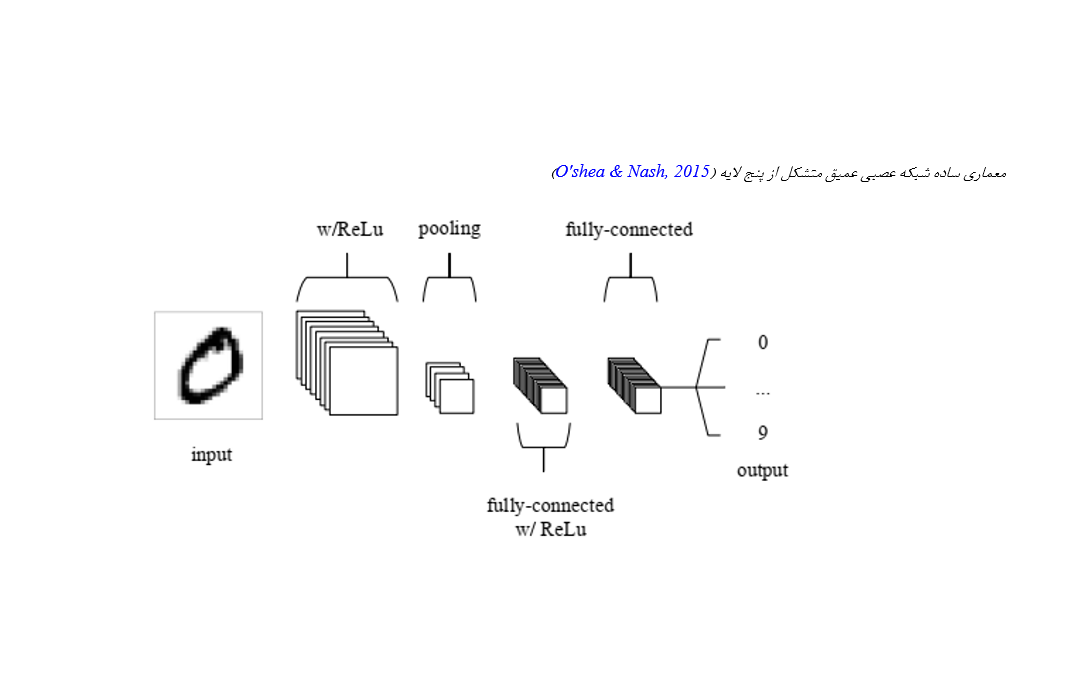
O'shea, K., & Nash, R. (2015). An introduction to convolutional neural networks. arXiv preprint arXiv:1511.08458.
Oloyede, J. (2025). Anomaly Detection and Data Governance: A Cross-Sectoral Analysis for Cybersecurity, Finance, and Smart Cities. Finance, and Smart Cities (August 29, 2025).
Oyekunle, S. M., Popoola, A. D., Kolo, F. H. O., Ogunmolu, A. M., & Adesokan-Imran, T. O. (2025). Intelligent Fraud Prevention Information Banking: A Data Governance-Centric Approach Using Behavioural Biometrics. Asian Journal of Research in Computer Science, 18(5), 525-543.
Paladugu, N. (2025). Intelligent Data Governance Frameworks for Multi-Cloud Financial Environments: An AI-Driven Approach to Compliance Automation. European Modern Studies Journal, 9(4), 10.59573.
Pamisetty, V. (2023). Leveraging AI, Big Data, and Cloud Computing for Enhanced Tax Compliance, Fraud Detection, and Fiscal Impact Analysis in Government Financial Management. Fraud Detection, and Fiscal Impact Analysis in Government Financial Management (December 15, 2023).
Pamisetty, V., Pandiri, L., Annapareddy, V. N., & Sriram, H. K. (2022). Leveraging AI, Machine Learning, And Big Data For Enhancing Tax Compliance, Fraud Detection, And Predictive Analytics In Government Financial Management. Machine Learning, And Big Data For Enhancing Tax Compliance, Fraud Detection, And Predictive Analytics In Government Financial Management (June 15, 2022).
Paulraj, B. (2024). Machine Learning Approaches for Credit Card Fraud Detection: A Comparative Analysis and the Promise of 1D Convolutional Neural Networks. 2024 7th International Conference on Information and Computer Technologies (ICICT),
Pentyala, D. K. (2023). Cloud-based solutions for AI-enhanced data governance and assurance. International Journal of Social Trends, 1(1), 154-178.
Premalatha, M., Jayasudha, M., Čep, R., Priyadarshini, J., Kalita, K., & Chatterjee, P. (2024). A comparative evaluation of nature-inspired algorithms for feature selection problems. Heliyon, 10(1).
Qin, F., Zain, A. M., & Zhou, K.-Q. (2022). Harmony search algorithm and related variants: A systematic review. Swarm and Evolutionary Computation, 74, 101126.
Rezaie, H., Kazemi-Rahbar, M. H., Vahidi, B., & Rastegar, H. (2019). Solution of combined economic and emission dispatch problem using a novel chaotic improved harmony search algorithm. Journal of Computational Design and Engineering, 6(3), 447-467.
Ridzuan, N. N., Masri, M., Anshari, M., Fitriyani, N. L., & Syafrudin, M. (2024). AI in the financial sector: The line between innovation, regulation and ethical responsibility. Information, 15(8), 432.
Salami, I. A., Popoola, A. D., Gbadebo, M. O., Kolo, F. H. O., & Adesokan-Imran, T. O. (2025). AI-powered behavioural biometrics for fraud detection in digital banking: A next-generation approach to financial cybersecurity. Asian Journal of Research in Computer Science, 18(4), 473-494.
Salmanov, T. (2025). Enhancing corporate governance via machine learning and statistical tools for fraud detection. Advances in Corporate Governance, 2(1), 6.
SAMUEL, A. (2023). Enhancing financial fraud detection with AI and cloud-based big data analytics: Security implications. Available at SSRN 5273292.
Wang, A., Liu, H., & Chen, G. (2021). Chaotic harmony search based multi-objective feature selection for classification of gene expression profiles. 2021 IEEE 9th International Conference on Bioinformatics and Computational Biology (ICBCB),
Wu, J. (2017). Introduction to convolutional neural networks. National Key Lab for Novel Software Technology. Nanjing University. China, 5(23), 495.
Yandrapalli, V. (2024). AI-powered data governance: A cutting-edge method for ensuring data quality for machine learning applications. 2024 second international conference on emerging trends in information technology and engineering (ICETITE),
Zhang, Z., Lu, Y., Ye, M., Huang, W., Jin, L., Zhang, G., Ge, Y., Baghban, A., Zhang, Q., & Wang, H. (2024). A novel evolutionary ensemble prediction model using harmony search and stacking for diabetes diagnosis. Journal of King Saud University-Computer and Information Sciences, 36(1), 101873.
دانلودها
گاهشمار انتشار
- ارسال
- بازنگری
- پذیرش
شماره
نوع مقاله
مجوز
حق نشر 2025 Masoomeh Mojtabaee (Author); Seyed Javad Iranbanfard; Sara Najafzadeh, Mostafa Kolahdoozi (Author)

این پروژه تحت مجوز بین المللی Creative Commons Attribution-NonCommercial 4.0 می باشد.