شناسایی پیشرانهای مؤثر در بازاریابی سبز مبتنی بر ارزشهای بومی در توسعه اکوتوریسم با رویکرد آیندهپژوهی (مطالعه: بازیهای جدید ورزش همگانی تبریز)
کلمات کلیدی:
آیندهپژوهی, بازاریابی سبز, ارزشهای بومی, اکوتوریسم, بازیهای ورزش همگانی, تبریزچکیده
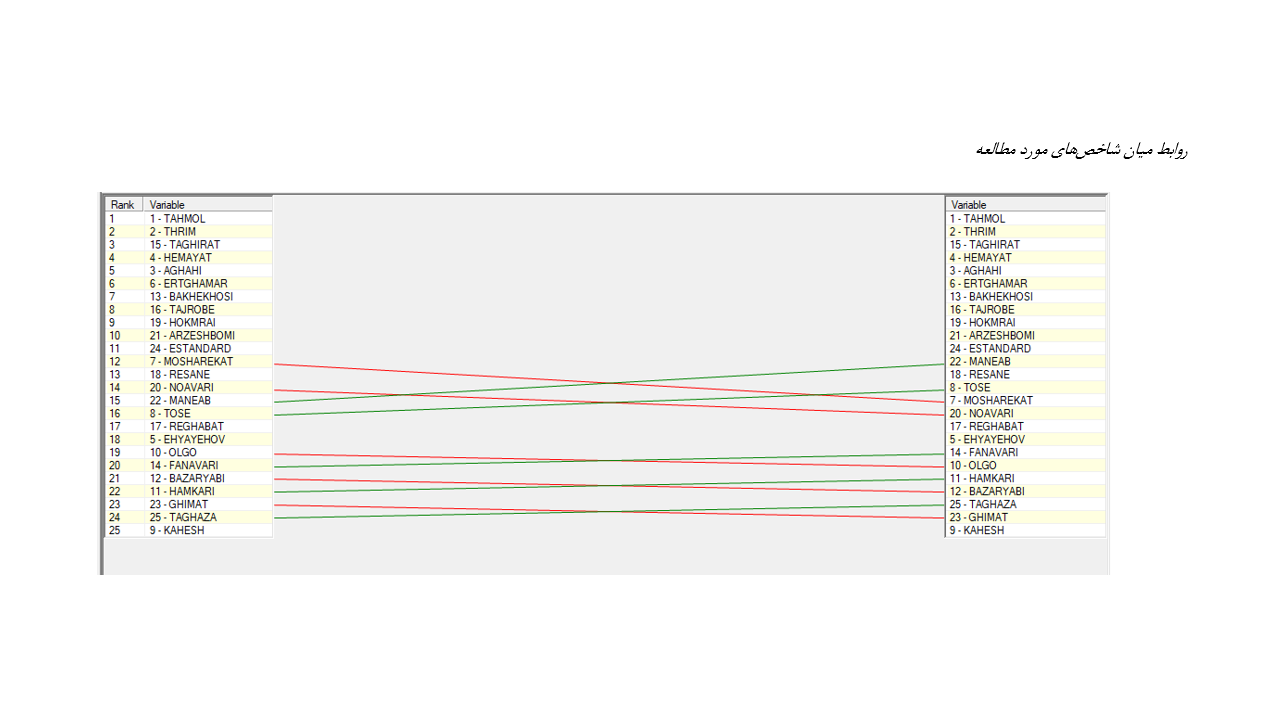
هدف این پژوهش ارائه یک مدل آیندهپژوهی برای بازاریابی سبز مبتنی بر ارزشهای بومی در توسعه اکوتوریسم تبریز با تأکید بر نقش بازیهای جدید ورزش همگانی و شناسایی پیشرانهای کلیدی مؤثر بر آینده این حوزه بود. این پژوهش با رویکرد کیفی و آیندهپژوهی انجام شد و از ترکیب نظریه دادهبنیاد، تحلیل اثرات متقابل MICMAC و تحلیل مورفولوژیکی باینری بهره گرفت. ابتدا شاخصهای مؤثر بر بازاریابی سبز مبتنی بر ارزشهای بومی در توسعه اکوتوریسم از طریق مرور نظاممند ادبیات استخراج شدند. سپس با استفاده از ماتریس اثرات متقابل، میزان اثرگذاری و اثرپذیری متغیرها ارزیابی شد و پیشرانهای کلیدی شناسایی گردیدند. در مرحله بعد، بر اساس چهار پیشران اصلی شامل تغییرات اقلیمی، تحریم و نوسانات ارزی، حمایت دولتی و ظرفیت تحمل اکولوژیکی، فضاهای آینده طراحی و سناریوهای سازگار برای افق زمانی 1414 تدوین شدند. نتایج تحلیلهای استنباطی نشان داد که سیستم مورد مطالعه از الگوی نسبتاً پایدار برخوردار است و چهار پیشران اصلی شامل تغییرات اقلیمی، تحریم و نوسانات ارزی، حمایت دولتی و ظرفیت تحمل اکولوژیکی بیشترین نقش را در شکلدهی آینده اکوتوریسم تبریز دارند. تحلیل مورفولوژیکی منجر به شناسایی 16 فضای آینده و استخراج چهار سناریوی سازگار شامل «تبریز سبز مقاوم»، «تبریز احیاگر»، «تبریز محلی پایدار» و «زمستان اقلیمی تبریز» شد. نتایج بیانگر آن بود که ارزشهای بومی نظیر احترام به طبیعت و مهماننوازی سنتی میتوانند مزیت رقابتی مؤثری برای بازاریابی سبز ایجاد کنند. همچنین بازیهای جدید ورزش همگانی در سناریوهای مطلوب بهعنوان محصول محوری اکوتوریسم ایفای نقش کرده و موجب تقویت توسعه پایدار، مشارکت اجتماعی و جذب گردشگران میشوند، در حالی که در سناریوهای بدبینانه با محدودیت جدی یا توقف مواجه خواهند شد. یافتهها نشان دادند که آینده اکوتوریسم تبریز به شدت تحت تأثیر تعامل عوامل اقلیمی، اقتصادی، نهادی و زیستمحیطی قرار دارد. بازاریابی سبز مبتنی بر ارزشهای بومی میتواند به عنوان راهبردی مؤثر برای افزایش تابآوری اکوتوریسم، ارتقای مزیت رقابتی مقصد و مدیریت چالشهای آینده عمل کند. تقویت حمایتهای نهادی، مدیریت ظرفیت اکولوژیکی و توسعه فعالیتهای ورزش همگانی سازگار با محیطزیست از مهمترین الزامات تحقق سناریوهای مطلوب آینده محسوب میشوند.
دانلودها
مراجع
Asadpourian, Z., Rahman, M., & Gholamrezaei, S. (2019). Identifying Criteria and Measuring the Level of Sustainable Ecotourism Development among Tourism Hubs of Lorestan Province. Iranian Journal of Agricultural Economics and Development Research, 50(3), 483-499.
Baca, N., & Reshidi, N. (2025). Green Branding and Consumer Behavior: Unveiling the Impact of Environmental Marketing Strategies on Purchase Decisions. Business Strategy and the Environment, 34(3), 3701-3713. https://doi.org/10.1002/bse.4172
Chang, W., Li, H., Khamarudin, M., & Ali Khan, W. (2025). Influencing Eco-Conscious Travelers: The Role of Green Marketing in Promoting Sustainable Destinations. Acta Psychologica, 260, 105506. https://doi.org/10.1016/j.actpsy.2025.105506
Fakhari, S. (2025). Investigating Local Community Awareness toward Supporting Ecotourism Development: The Case of Damavand City. Applied Research in Geographical Sciences, 25(79), 198-221.
Ghaderi, A., & Mohajer, A. (2025). Investigating the Components of Low-Carbon Urban Tourism: A Meta-Synthesis Approach. Urban Studies Quarterly, 14(56), 87-108.
Ghasemi, J., Gholami, H., Afzali Gorouh, A., & Alambeigi, A. (2022). Analysis of the Effects of Ecotourism on Empowering Local Communities: A Case Study of Savadkuh County. Sustainable Environmental Education, 11(2), 87-106.
Habibi Rad, A., Valipour, F., & Safari, S. (2022). Developing an Innovation Model in Tourism as an International Industry. Tourism and Development, 11(3), 262-274.
Hadifar, S., Amanollahi, J., Emamgholi, L., & Zamani, N. (2026). Investigating the Threats of Sustainable Ecotourism by Integrating the Norms with GIS and Remotely Sensed Data. Journal for Nature Conservation, 90, 127198. https://doi.org/10.1016/j.jnc.2025.127198
Han, J., Zhang, Y., Xiao, H., & Zhao, Z. (2026). Green Marketing or Demarketing? Temporal Perspectives on Tourists' Pro-Environmental Behavior. Journal of Hospitality and Tourism Management, 66, 101422. https://doi.org/10.1016/j.jhtm.2026.101422
Hashemian, S., & Babaei Hemmati, R. (2024). The Impact of Ecotourism on Sustainable Urban Tourism Development: A Case Study of Qazvin City. First International Conference on the Tourism Industry,
Huang, H., Yu, J., Jiang, D., & Wang, T. (2026). Virtual Influencers as Endorsers in Hospitality Green Marketing. International Journal of Hospitality Management, 133, 104455. https://doi.org/10.1016/j.ijhm.2025.104455
Kadkhodaei, M. (2019). Ranking Methods of Education and Awareness-Raising for Tourists in Ecotourism. National Conference on Ecotourism, Culture, and Tourism Development,
Kolcha, T., Biazen, M., & Girma, Z. (2025). Site Suitability Evaluation for Ecotourism Using Geographic Information System (GIS) and Analytical Hierarchy Process (AHP) in Aroresa and Chire Districts, Southern Ethiopia. International Journal of Geoheritage and Parks, 13(4), 601-615. https://doi.org/10.1016/j.ijgeop.2025.12.001
Luong, T. (2023). Eco-Destination Image, Environment Beliefs, Ecotourism Attitudes, and Ecotourism Intention: The Moderating Role of Biospheric Values. Journal of Hospitality and Tourism Management, 57, 315-326. https://doi.org/10.1016/j.jhtm.2023.11.002
Maddahi, A., & Seyedinasab, A. (2022). Ecotourism and Empowerment of Local Communities. National Conference on Ecotourism, Geotourism, and Natural Heritage Conservation,
Mousavi, H., Kiani Salmi, S., & Setayesh, F. (2021). Estimating Carrying Capacity and Evaluating Ecological Potential to Identify Land Zones Suitable for Tourism: A Case Study of the Potash Khur and Biabanak Tourism Complex Area. Geographical Studies of Arid Regions, 12(45).
Najjarzadeh, M., Zaghibi Ghannad, A., & Alikhani, M. (2022). Identifying and Ranking the Capabilities of Social Media in Ecotourism Development. National Conference on Ecotourism, Geotourism, and Natural Heritage Conservation,
Nguyen, N. (2026). Green Marketing. In International Encyclopedia of Business Management (Vol. 3, pp. 40-44). https://doi.org/10.1016/B978-0-443-13701-3.00425-4
Rahimian, M., Molavi, H., & Ahmmadi Chegheni, M. (2025). Predicting Responsible Environmental Behavior in Ecotourism: An Enhanced Model for Environmental Policy Development and Sustainable Management. Sustainable Futures, 10, 101268. https://doi.org/10.1016/j.sftr.2025.101268
Rehman, A., Raheel Manzoor, S., Ullah, A., Han, H., Ariza-Montes, A., & Gil-Marín, M. (2025). Eco-Driven Choices: Green Marketing Orientation Intervention toward Green Purchase Intention in the Home Appliances Industry. Acta Psychologica, 258, 105125. https://doi.org/10.1016/j.actpsy.2025.105125
Saavedra, S. (2025). Economic Development and Environmental Conservation: Evidence from Ecotourism. Economic Development and Cultural Change, 73(3), 1297-1324. https://doi.org/10.1086/730828
Sajasi Qeidari, H., Javaherzadeh, F., & Yousefian, B. (2019). Analysis of the Impact of Economic Sanctions on Tourism Growth: A Case Study of Mashhad City. National Conference on Ecotourism, Culture, and Tourism Development,
Sanoukesh Nada, T., & Asghari Azhiri, B. (2019). Designing an Electronic Marketing Model for Ecotourism Development. 5(10), 79-84.
Shadman Lahiji, F., & Jafari Golvik, M. (2020). Ecotourism as a Mechanism for Achieving a Green Economy in Iran. Environmental Research and Technology.
Sharifi Qazvini, M., Salehpour, M., & Hamzehei, A. (2025). Green Technology: The Role of Technological Innovations in Reducing the Carbon Footprint. Second International Conference on Psychology, Social Sciences, Educational Sciences, and Philosophy,
Sharma, R., & Pradhan, V. (2025). Assessing Community Values of Civil Society Organizations-Led Coastal Ecotourism Conservation Projects in the Climate Change Context. Evaluation and Program Planning, 112, 102624. https://doi.org/10.1016/j.evalprogplan.2025.102624
Shen, W., Chen, Y., Rong, P., Cao, W., Yu, R., Wang, P., & Cheng, J. (2025). Ecotourism Suitability at County Scale in China: Spatial Pattern, Obstacle Factors, and Driving Factors. Ecological Indicators, 178, 113911. https://doi.org/10.1016/j.ecolind.2025.113911
Shi, H., & Chen, W. (2024). Environmental Values, Face, and Ecotourism Intention in China: The Mediating Role of Ecotourism Attitude and the Moderating Role of Emotional Intelligence. Journal of Hospitality and Tourism Management, 61, 101-114. https://doi.org/10.1016/j.jhtm.2024.09.008
Sidqi, M., Bengen, D. G., Priyanta, M., Anggraini, E., & Sadiyah, L. (2026). Sustainable Management of Marine Ecotourism in the Gili Matra Marine Conservation Area: An Economic Valuation and Stakeholder-Based Approach. Regional Studies in Marine Science, 95, 104804. https://doi.org/10.1016/j.rsma.2026.104804
Tavousi, M., & Ghiyasabadi, M. (2024). Title Not Provided in Source Reference. Scientific-Research Quarterly Journal of Tourism and Development, 14(1), 145-163.
Thompson, B. (2022). Ecotourism Anywhere? The Lure of Ecotourism and the Need to Scrutinize the Potential Competitiveness of Ecotourism Developments. Tourism Management, 92, 104568. https://doi.org/10.1016/j.tourman.2022.104568
Tong, Y., & Pang, L. (2024). Can Ecotourism Development Promote Residents' Environmental Concern? A Quasi-Natural Experiment from China. Current Issues in Tourism, 27, 864-872. https://doi.org/10.1080/13683500.2023.2271632
Zada, M., Khan, S., Zada, S., Dhar, D., & Marcao, R. (2025). Harnessing Social Media and NGO Collaboration for Advancing Sustainable Ecotourism Policy: A Pathway to Sustainable Tourism Development. Sustainable Development. https://doi.org/10.1002/sd.3373
Zeng, Y., Zhong, L., & Li, Y. (2026). Identifying Key Areas of Managing Landscape Use Conflicts among Ecotourism Stakeholders in National Parks. Landscape and Urban Planning, 265, 105515. https://doi.org/10.1016/j.landurbplan.2025.105515
Zhai, Y., Deng, H., Xu, S., Huang, G., & Cheng, T. (2026). Carbon Emissions Hedging and Green Marketing. European Journal of Operational Research, 328(3), 797-814. https://doi.org/10.1016/j.ejor.2025.07.029
Zhou, C., & Jiang, B. (2025). How Do Consumers React to AI-Generated Green Marketing Content? A Hybrid Analysis Using PLS-SEM and Text Mining. Journal of Retailing and Consumer Services, 87, 104431. https://doi.org/10.1016/j.jretconser.2025.104431
Ziae, M., Ghaderi, A., & Sasan, A. (2018). Determining Carrying Capacity and Ecological Footprint in Nature-Based Tourism Destinations: A Case Study of Zarivar Lake. Geography and Urban-Regional Planning, 7(25), 39-56.

دانلود
چاپ شده
ارسال
بازنگری
پذیرش
شماره
نوع مقاله
مجوز
حق نشر 2025 Bahman Valinejad (Author); Seyed Yousef Hajiasghari; Roya Mahmoudi, Mitra Choopanimoghaddam, Vahid Alizadeh Ara, Maryam Mirzaei (Author)

این پروژه تحت مجوز بین المللی Creative Commons Attribution-NonCommercial 4.0 می باشد.